tumblr_n19znl8oEc1sia5pto1_1280.jpg
tumblr_n19znl8oEc1sia5pto2_1280.jpg
tumblr_n19znl8oEc1sia5pto3_1280.jpg

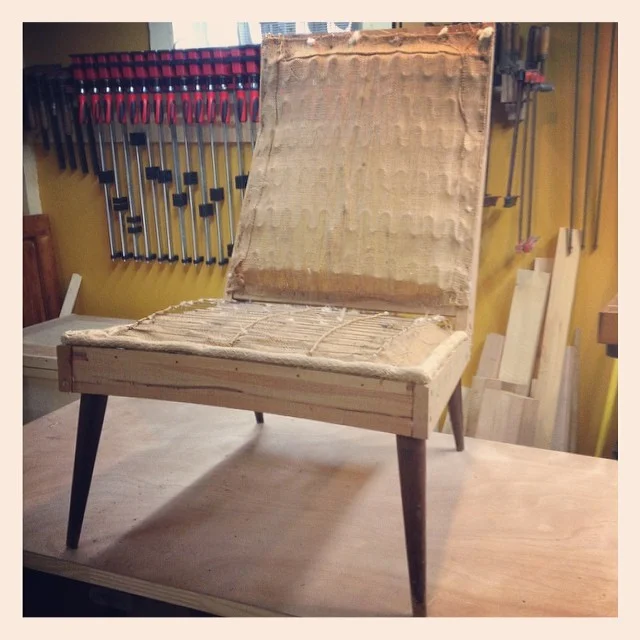
Here is a Adrian Pearsall chair that I just finished reupholstering in
Maharam’s Scout Crypton Bluesteel. The cushion is a little too big, so
I cut it down and sewed the cover again. I’m just waiting on some 1/4”
dacron to come in the mail and I will finish it up. This chair also
has an ottoman, but that’s a little further down the priority list.
More pictures to come…


Next I have two small Kroehler chairs to do for my teaching studio,
then the matching Pearsall sofa in the same Bluesteel fabric.


I’m excited to finish these projects up so I can get going on my new
chair design!

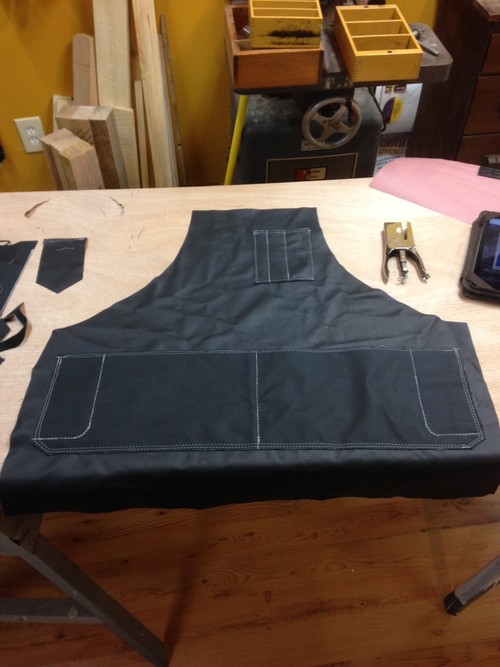
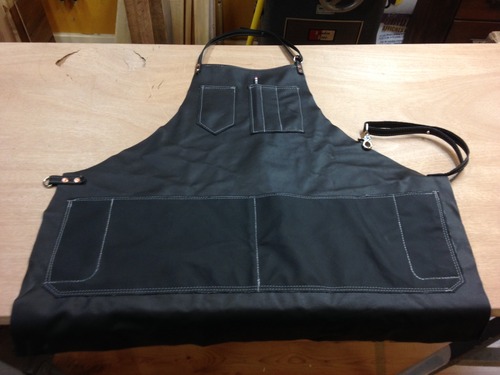
A New Workshop Apron

With so many house projects lurking, it’s been awhile since I’ve delved into a chair or other woodworking endeavor. Besides….it’s really cold outside and my machinery workshop is currently without heat. The temperatures confine me to working inside in my handtool shop in our basement. 

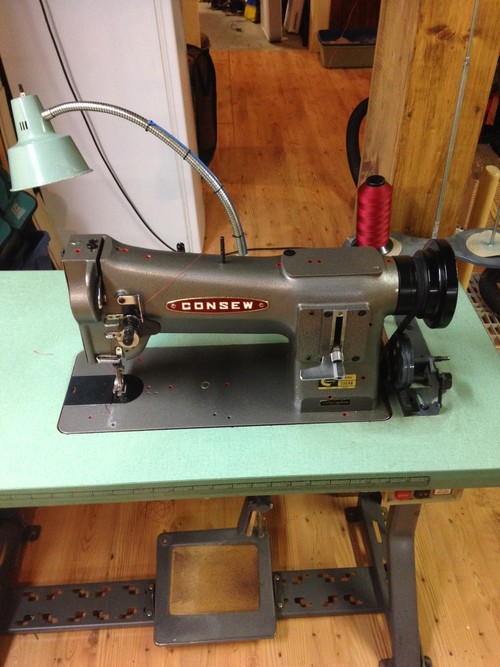
I’ve been looking for excuses to use my “new” upholstery sewing machine. It’s a Consew 206RB. I recently picked up a doctor’s saddle chair to use which is terrific. 

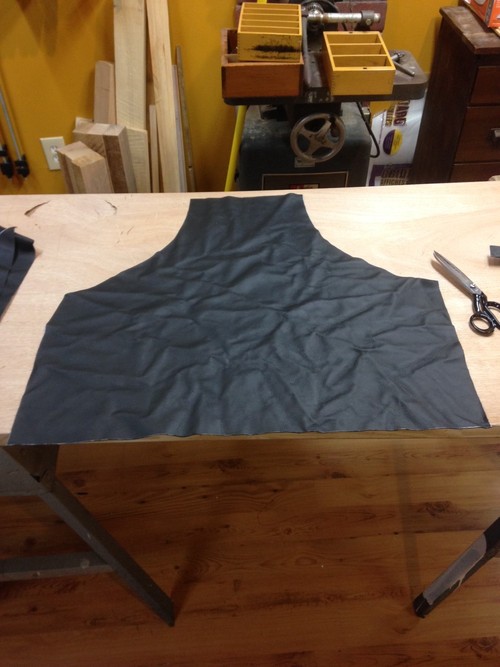
The other day I found some automotive upholstery leather pieces on craigslist. I had originally planned on using them for an upcoming chair with a tight back and seat, but unfortunately none were large enough. 

My thoughts then turned to what other projects I might use the leather for. I’ve wanted an apron for my shop for awhile and I figured one made completely of leather would be great. All I had to do was pick up a few supplies from Tandy Leather and I was all set. I could have sewn all the straps on, but I rather like the look of the copper rivets. 

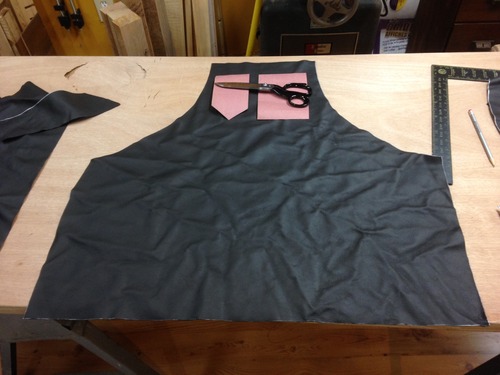
As with any project of this nature, I like to make templates out of brown kraft paper to avoid a miscut. 

I selected a light grey thread rather than black - I think it looks nice. I also double stitched the bottom of the main pockets for strength. 

Here is the completed apron. Note the rivets and hardware. 

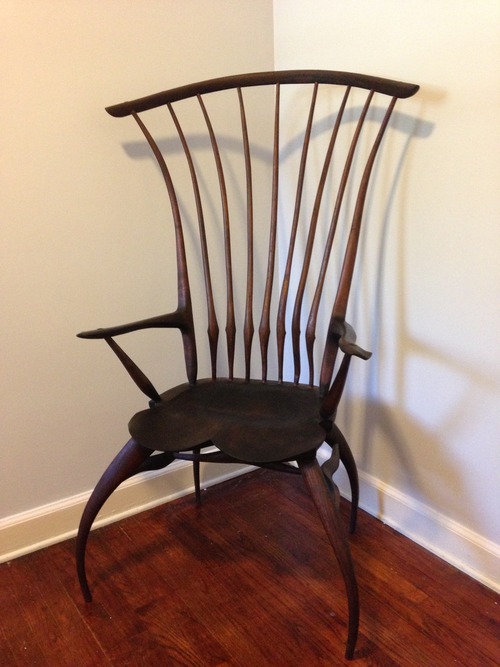
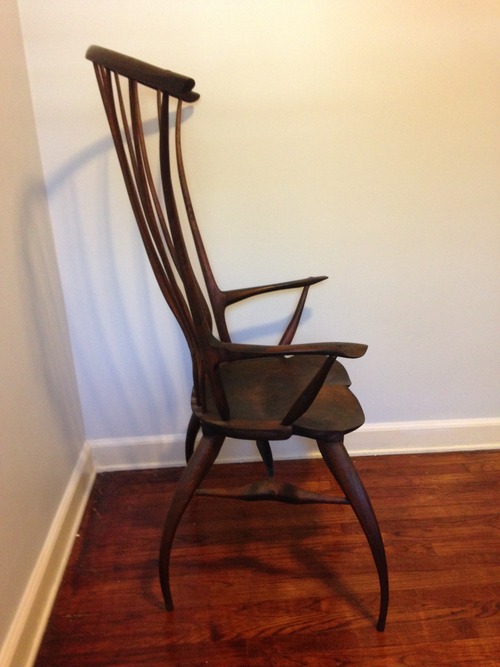
Spider Chair

        This chair is technically a windsor since all the parts come together in the seat, though at first glance the look is very different. It’s a mid century style sculptured chair - meant to be a statement piece. Much of the lumber is split by hand from a log using a sledgehammer and metal wedges. It is incredibly labor intensive, but provides the strongest wood possible for the highest quality. All parts are dyed with aniline to unify the design and it is finished with a hand rubbed tung oil. 

The chair is also possible without arms and there are several different leg options available. The price point as seen below is $2000. 

Lead time is typically 4-6 weeks. 

image

image

Walnut Cabinet for Bathroom

I will write about each project in more detail in coming posts…

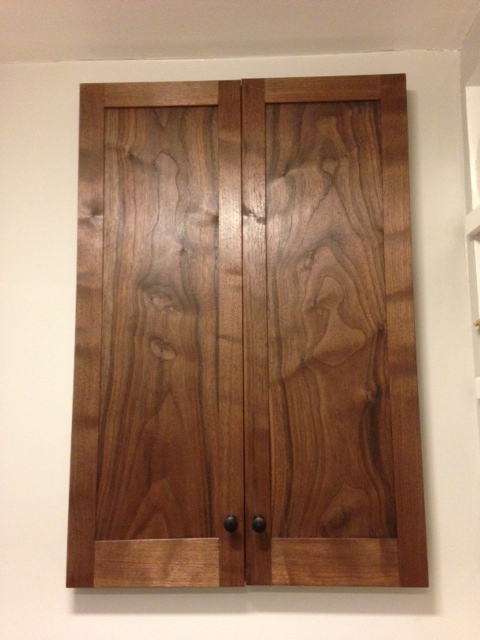
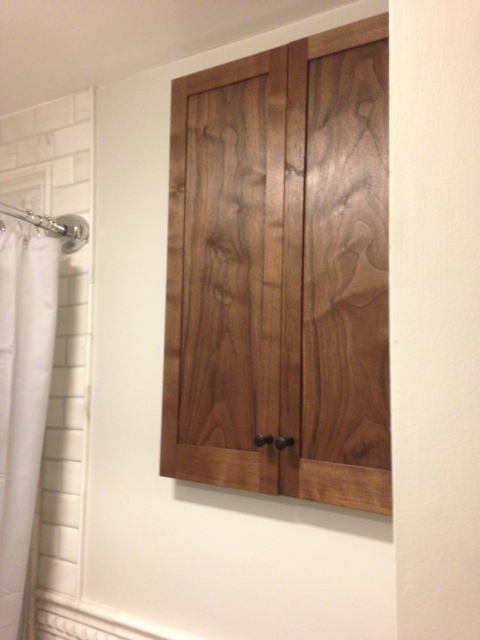
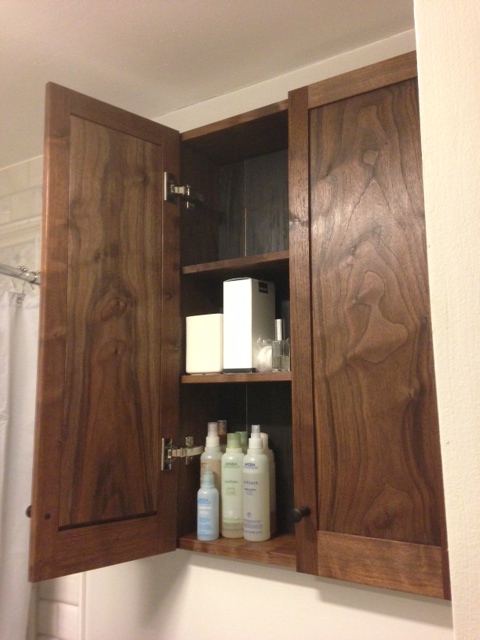
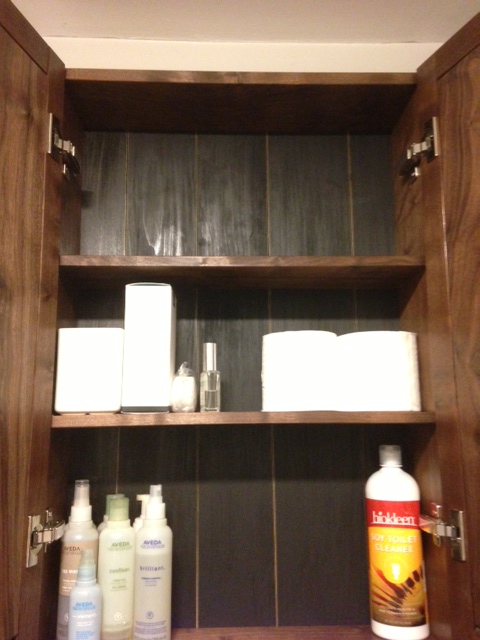
Walnut bathroom cabinet

  • semi-recessed
  • mortise and tenon frame and panel doors
  • dovetailed carcass
  • turned ebony knobs
  • shelves dadoed into place
  • french doors with soft close full overlay hinges
  • shiplapped white pine back with burnished black milk paint
  • dimensions are 33" x 22" x 6"

This cabinet is made to order and can be customized to whatever size needed. In this configuration cost would be around $1200-1400. 

image

image

image

image

A New Door Surround

Last fall we did a lot of repair work to the outside of our house. We took off the old wooden clapboard siding that was in rough shape, repaired several rotted sections of wall studs, added overhangs, new vinyl (yuck) siding, completely gutted the bathroom, etc. It was a lot of work and we were under a time crunch to get it done before the snow came. Luckily I had some help from Tim (handyman) on the outside and my father-in-law on the bathroom. Thanks Ty!

We removed an old nasty door surround from the front door when the siding came off, but I wasn’t able to deal with building another at that time. I finally finished the surround the other day and now the front looks much more completed. 

Here’s the front without the surround - pretty boring…

image

image

Here’s the front with the new surround. My furniture tends to be more mid century in style and while our house is a bungalow, I don’t want the outside to look ultra traditional and clash with the more modern interior. I tried to keep the overall look of the surround largely modern - straight lines, primarily rectilinear and without flutes on the columns. I did add a cove because I didn’t want it to look out of place with the front of the house. I tried to mix the old (traditional) with the new (modern). 

image

image

image

Here are some highlight pictures of the build process…

I cut a dado for the horizontal detail near the top of the column. This allows the molding to have a structural connection with the column and shouldn’t ever separate at the corners. It should last a very long time. 

image

image

Here is the cove for the top of the crown. I made this section from three strips of white pine since it needed to be shaped with molding planes and it works very well with hand tools. 

image

image

And finally the glue up prior to installing…

image

Next up is finishing the antique USPS cast iron mailbox I bought last year and putting up the house numbers that my mother bought us. Fancy!

In a year or two I will build a solid cherry front door with carved - not raised - panels. It should compliment the sage color of the house very nicely and will really make the white trim and door surround pop. 

On Making it Last 200 Years...
The philosophy I build things under is that they should last at least 200 years - if properly cared for. That sounds hard (and sometimes it is) but most often the way to achieve it is to think about two things:

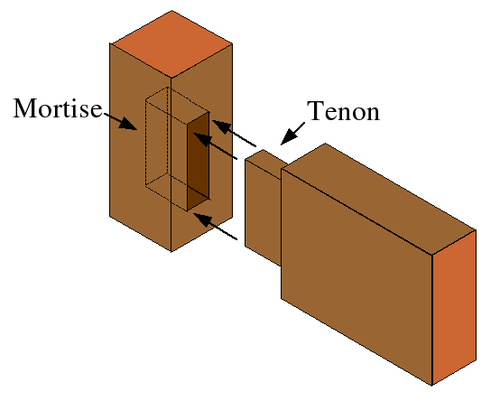
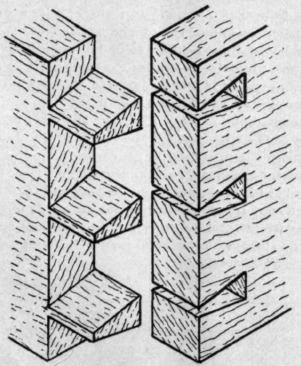
1. The type of joints used. That is, where two boards come together to form a 90 deg. (or other) angle needs to be done in a certain way to allow for maximum strength. The two most bullet proof joints are:

Mortise and Tenon - an example of this joint is where the horizontal and vertical pieces of a door meet. This is an exceptionally strong joint.

image

Dovetail - this is a mechanical joint used to join the ends of boards. Think of the four corners of a drawer. Because of the wedge shape, the joint resists pulling apart if oriented correctly. 

image

For me, these two joints (or a variation) should be used at all times - no exceptions. Anything else is lazy and doesn’t provide the strength needed for 200 years…

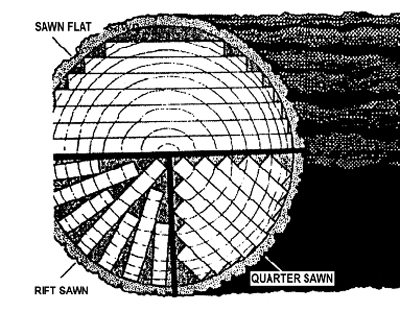
2. The way the wood is sawn from the log greatly impacts how stable it is. Wood is an organic material that is constantly changing and moving. This must be taken into account or a piece could warp or even pull itself apart after time. 

image

The most stable cuts of wood are what we call quartersawn or riftsawn lumber. They have very straight grain and if you look at the end of the board the growth rings are either 90deg (quartersawn) or 45deg (riftsawn) to the face. Watch the short video below for a great explanation of the three most common cuts of lumber:

http://www.finewoodworking.com/how-to/video/the-basics-of-flatsawn-riftsawn-and-quartersawn-wood.aspx

More to come!

Welcome

Hello and welcome! I enjoy building furniture and working on my home. I am starting this blog to serve as a way to catalog the pieces that I’ve made and allow for construction notes. 

I will start with a few recently completed projects and then move onto a number of upcoming things I’m anxious to get going on. 

Questions and comments are welcome. I also do custom orders and work for local clients. If you are not in the Metro Detroit area and are interested, most pieces can be shipping via UPS or freight. If you are interested in speaking with me regarding a project please feel free to contact me. 

Thanks!

Matthew McMillan